

Customs, Foreign Exchange and Administrative Disputes Lawyer in Tunisia
A customs inspection, a seizure, an official report, an import or export transaction, a transfer of funds or a foreign-exchange compliance question can, depending on the circumstances, develop into a dispute with the Tunisian administration.
The assessment starts with the facts and supporting documents: the applicable rules, the status of the person or company concerned, the nature of the goods or funds involved, the declarations made and the legality of the inspection or seizure.
In Tunisia, these questions fall within business criminal law and economic offences, one of the firm’s areas of practice.
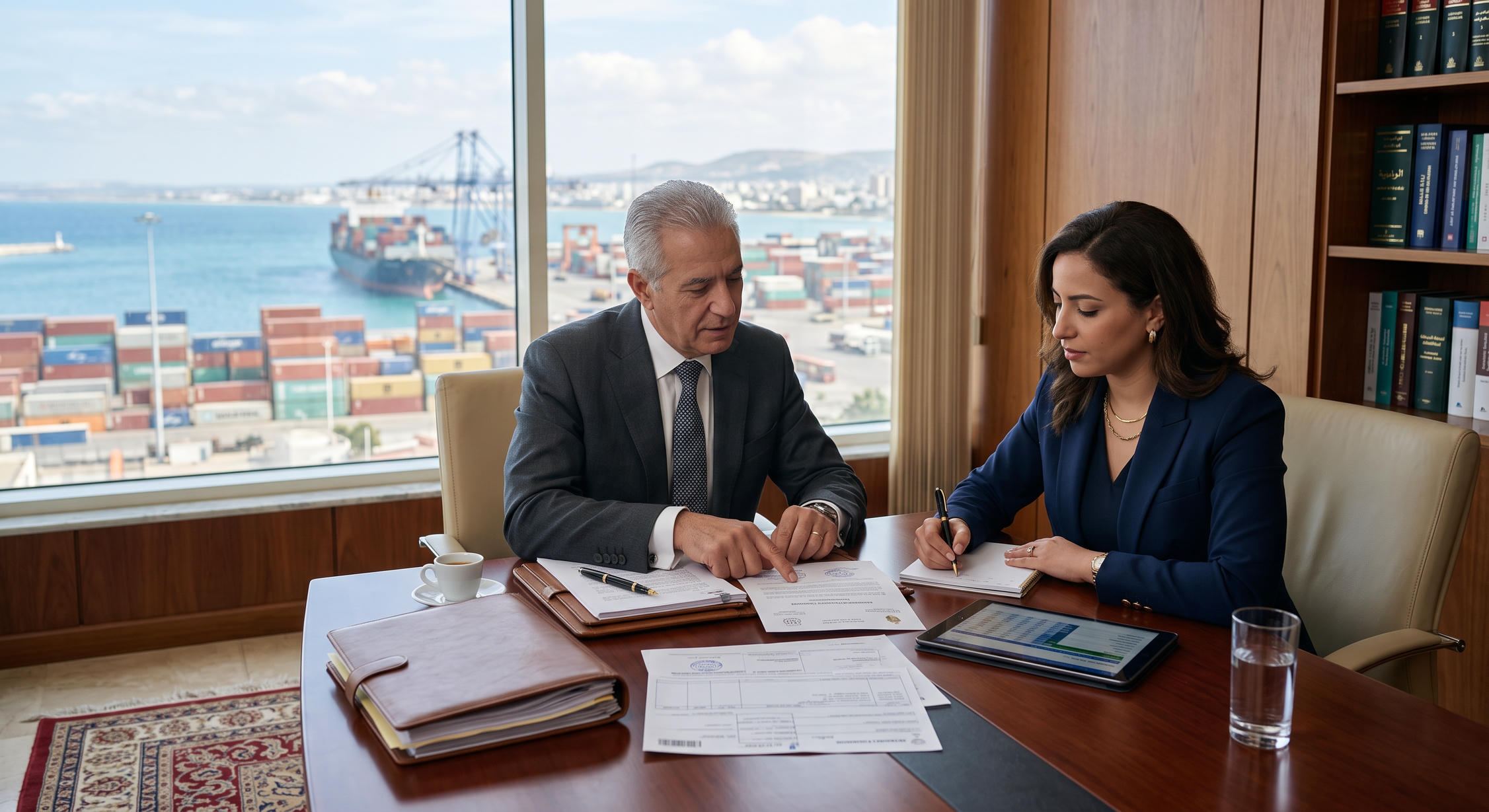
Situations the firm can examine
The firm reviews files connected with, among others:
- a customs inspection or seizure;
- a customs report or official record;
- a disputed customs declaration;
- an issue arising from an import or export operation;
- a foreign-exchange offence;
- a disputed cross-border transfer of funds;
- an administrative dispute connected with customs or exchange matters;
- a possible settlement with the administration;
- proceedings or a defence following an alleged offence.
Whether the firm can act, and the scope of any assistance, depend on a review of the individual case.
What must be reviewed before choosing a strategy
Before any decision, several elements require review: the applicable legal framework, the status of the person or company concerned, the nature of the goods or funds at stake, the origin and, where relevant, the destination of the funds, the declarations made, the contracts, invoices, banking and customs records available, and the circumstances and procedural regularity of the inspection or seizure.
This review helps determine the legal classification, any potential liability, and the available defence, challenge or settlement routes.
Companies, investors and cross-border matters
Customs and exchange issues also concern companies, foreign investors, import-export operations, financing and cross-border transfers. An initial review examines evidence of the source and movement of funds, and checks that contracts, invoices, declarations and banking records are consistent.
Documents to prepare
Depending on the file, it is useful to gather:
- the official report or seizure documentation;
- customs declarations;
- invoices and contracts;
- transport or shipping documents;
- banking records;
- currency declarations, where applicable;
- investment or financing documents;
- correspondence with the administration or the bank.
How the firm approaches the file
The firm starts from the facts and the available documents, works through their legal classification, assesses the procedural position, then identifies the realistic options before building a strategy suited to the file.
Related legal analysis
For a more detailed review of the rules governing customs and foreign-exchange offences in Tunisia, see our article Customs and Foreign-Exchange Offences in Tunisia: What to Do After a Seizure or Official Report.
This page provides general information and does not constitute legal advice on a particular matter.